
Deciphering the DNA of Digital Marketing: An Introductory Guide


Welcome to the digital universe, where the ClicksBuzz community thrives on innovation and knowledge. In this comprehensive guide, we'll journey through the past, present, and the envisaged future of digital marketing. Prepare to uncover industry secrets, unravel emerging trends, and grasp the fundamental elements that craft a successful digital marketing strategy.
Understanding Digital Marketing: Importance and Impact
Digital marketing, an ever-expanding realm, encompasses all online efforts aimed at promoting brands and engaging with potential customers. From search engine optimization (SEO) to content marketing, social media, email campaigns, and more, it utilizes various digital channels to connect with current and prospective consumers.
In today's digitized world, understanding the essence of digital marketing is paramount. Its potency lies in its ability to target specific demographics, generate real-time engagement metrics, and provide cost-effective promotional avenues. With an insurgence of online spaces, its relevance continues to burgeon.
As we delve deeper into the upcoming trends, it's crucial to acknowledge that a profound understanding of digital marketing's roots sets the stage for comprehending its trajectory.
The Evolution of Digital Advertising: A Historical Overview
The inception of digital advertising marked a turning point in marketing history. From the early days of display ads to the evolution of pay-per-click (PPC) campaigns, its metamorphosis has been nothing short of revolutionary. The amalgamation of targeting capabilities, data analytics, and consumer behavior insights has propelled digital ads into an indispensable asset for marketers.
The advent of programmatic advertising further transformed the landscape by automating ad buying processes. As we gaze into the future, artificial intelligence (AI) is poised to reshape ad personalization and targeting strategies. Harnessing AI-driven technologies for ad optimization will be pivotal in staying ahead in the ever-evolving digital ad arena.
Related Article: Common Digital Marketing Mistakes: Avoid These Pitfalls for Success
Key Elements of a Successful Digital Campaign
Crafting a fruitful digital campaign entails a meticulous orchestration of several key components. From defining clear objectives and identifying target audiences to formulating compelling creatives and strategic deployment across channels – every facet plays an integral role in shaping success.
Moreover, the fusion of data-driven decision-making with creativity is set to redefine campaign paradigms. Predictive analytics and machine learning algorithms will pave the way for hyper-personalized campaigns tailored to individual consumer preferences.
The Role of Quality Content in Digital Marketing
In the realm of digital marketing, content reigns supreme. Compelling narratives, captivating visuals, and informative resources are instrumental in forging meaningful connections with audiences. As we peer into the crystal ball of content marketing's future, personalized interactive content experiences are anticipated to be a game-changer.
Leveraging immersive technologies such as augmented reality (AR) and virtual reality (VR) will elevate content engagement to unprecedented levels, offering consumers unparalleled brand interactions and narratives.
SEO Strategies: Enhancing Online Visibility
Search engine optimization serves as a compass guiding brands through the web's expansive terrain. While current SEO practices emphasize user intent and semantic relevance, future trends hint at an era dominated by voice search optimization and enriched snippets.
Anticipating this shift towards voice-centric interactions prepares marketers for an era where conversational queries supersede traditional keyword-driven searches. Understanding this impending transformation is key to maintaining visibility amidst evolving search landscapes.
Leveraging Social Media for Brand Growth
The omnipresence of social media platforms has positioned them as indispensable tools for brand amplification and community engagement. Looking forward, harnessing augmented reality filters and immersive storytelling experiences within social media ecosystems will redefine user engagement paradigms.
Moreover, as consumer privacy gains prominence, fostering transparent and authentic relationships with online communities will be imperative in navigating a digitally conscientious future.
Related Article: The Digital Marketing Dilemma: Common Missteps to Evade
Email Marketing: Techniques for Effective Engagement
Email marketing remains a stalwart in the digital marketer's arsenal. However, advancements in predictive analytics and AI-driven email personalization promise to revolutionize email marketing dynamics. Tailoring hyper-relevant content based on predictive behavioral analytics will redefine engagement metrics while mitigating email fatigue.
The integration of interactive elements within email campaigns is poised to breathe new life into engagement rates through immersive experiences that prompt direct action from recipients.
Measuring Success: The Importance of Analytics in Marketing
The era of data abundance presents both opportunities and challenges for marketers. Advanced attribution models fueled by machine learning algorithms offer granular insights into customer touchpoints across multichannel journeys.
Embracing predictive analytics models for forecasting marketing performance enables proactive decision-making based on anticipated consumer behaviors rather than reactive responses to past outcomes.
Related Article: Avoid These Digital Marketing Blunders: Critical Lessons for Success
The Art of Storytelling in Digital Marketing
Telling captivating stories has always been pivotal in brand communication. As we venture into uncharted digital territories, virtual reality (VR)-infused storytelling experiences will transport audiences into immersive brand narratives.
Moving beyond traditional linear storytelling formats opens doors for nonlinear interactive narratives that respond dynamically to audience inputs ushering in an era where consumers actively shape their brand engagements.
Future Trends: What Lies Ahead in Digital Marketing?
The evolution of digital marketing is perpetually shaped by emerging innovations that redefine industry landscapes. Augmented reality (AR), voice search optimization, immersive storytelling experiences, AI-driven personalization, heightened privacy consciousness – these are just glimpses into what the future holds for digital marketers worldwide.
As we prepare to navigate these uncharted terrains, it becomes evident that adaptability and proactive integration of these emerging trends are crucial for staying at the vanguard of digital marketing excellence.
Now that we've unveiled the DNA strands interwoven within digital marketing's fabric from its historical roots to predictions that paint compelling forthcoming narratives we equip you with insights requisite for steering your digital endeavors towards prosperity.
Frequently Asked Questions
Digital marketing encompasses all online strategies used to promote brands and engage consumers. It matters because it allows businesses to target specific demographics, track engagement metrics in real-time, and utilize cost-effective promotional methods. In a digital-first world, understanding its significance is crucial for successful brand communication.
Digital advertising has transformed significantly from simple display ads to sophisticated pay-per-click campaigns. The integration of data analytics and targeting capabilities has made it essential for marketers. Additionally, advancements like programmatic advertising have automated ad buying, while AI is expected to enhance personalization and targeting strategies in the future.
A successful digital campaign requires clear objectives, a well-defined target audience, compelling creatives, and strategic channel deployment. Each component plays a vital role in achieving desired outcomes. Additionally, combining data-driven insights with creativity can lead to more effective campaigns that resonate with consumers on a personal level.
Marketers should pay attention to trends such as augmented reality (AR), voice search optimization, and AI-driven personalization. These innovations are reshaping how brands interact with consumers. Understanding these trends will help marketers stay competitive and effectively engage audiences in an increasingly digital landscape.
Storytelling can significantly enhance digital marketing by creating emotional connections with audiences. Engaging narratives allow brands to communicate their values and messages more effectively. As technology evolves, incorporating interactive and immersive storytelling experiences will further captivate consumers, making brand interactions more memorable and impactful.
Check Out These Related Articles

Digital Marketing for Beginners: A Step-by-Step Guide to Getting Started Online
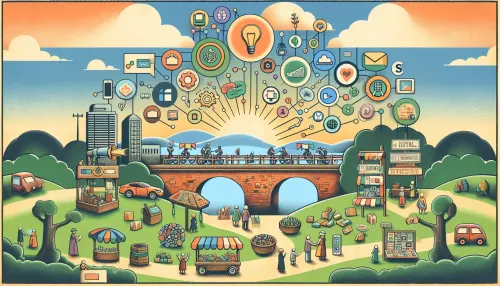
Bridging Generations: Melding Digital Marketing with Traditional Tactics

No Quick Fixes: Dispelling Misconceptions About Overnight Digital Marketing Success