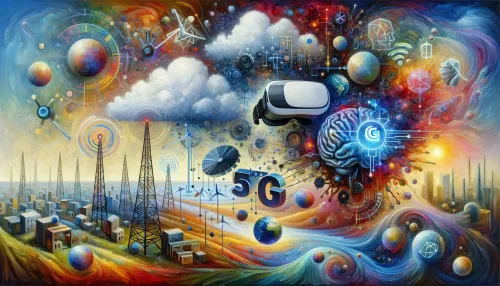
The Digital Marketing Paradigm Shift: Embracing Transformation in the Digital Era


Understanding the Digital Marketing Paradigm Shift
In today's fast-paced digital landscape, the realm of marketing has undergone a remarkable transformation. As businesses strive to connect with their audience in an increasingly digitized world, the strategies and tactics employed in digital marketing have evolved significantly. Embracing this paradigm shift is crucial for businesses to stay relevant, engage effectively with consumers, and drive sustainable growth. In this comprehensive guide brought to you by ClicksBuzz Blog, we navigate through the evolution of digital marketing strategies, the impact of emerging technologies and consumer behaviors, the challenges and opportunities presented by digital transformation, and how businesses can future-proof their marketing initiatives amidst rapid industry changes.
Evolution of Digital Marketing Strategies
The evolution of digital marketing strategies has been nothing short of remarkable. From traditional banner ads and email campaigns to sophisticated data-driven approaches, marketers have had to adapt to a constantly evolving landscape. The emergence of new platforms, such as social media and influencer marketing, has reshaped the way brands interact with their target audience.
Key Developments in Digital Marketing
Moreover, the shift towards personalized and immersive experiences has encouraged marketers to leverage advanced analytics and automation to deliver tailored content and products to their consumers. Content marketing has also emerged as a pivotal strategy, focusing on creating valuable, relevant content to attract and retain a defined audience.
Adapting to Emerging Technologies and Consumer Behaviors
As technology continues to advance at an unprecedented pace, it has become imperative for digital marketers to stay abreast of emerging technologies that are reshaping consumer behaviors. The widespread adoption of artificial intelligence, augmented reality, virtual reality, and voice search has given rise to new touchpoints through which brands can engage with their audiences.
Related Article: Emerging Trends in Digital Mental Health Advocacy on a Global Scale
Impact of Technology on Consumer Engagement
Understanding consumer behaviors in this digital age is equally critical. With the rise of mobile usage, consumers now expect seamless experiences across various devices and platforms. Furthermore, the increasing emphasis on social responsibility and sustainability has prompted businesses to align their marketing efforts with the values of their target demographics.
Understanding Modern Consumer Expectations
As we delve into these crucial aspects, providing insights into how marketers can harness emerging technologies while adapting their strategies to resonate with evolving consumer behaviors.
Related Article: Bio-Neurotargeting: The Convergence of Biology and Neuromarketing Revolutionizing Ads
Challenges and Opportunities in Digital Transformation
The age of digital transformation presents both challenges and opportunities for businesses seeking to establish a strong digital presence. Marketers are confronted with the task of navigating data privacy regulations, mitigating cybersecurity risks, and managing the ever-expanding array of digital channels. However, amidst these challenges lie remarkable opportunities.
Navigating Data Privacy and Cybersecurity Risks
The ability to leverage big data analytics for precise targeting, harnessing the potential of influencer partnerships for authentic brand advocacy, and capitalizing on the global reach enabled by e-commerce are among the manifold opportunities available in the digital realm.
Related Article: Community Impact: Unveiling Digital Marketing's Transformative Role in Local Initiatives
Leveraging Big Data for Targeted Marketing
Our aims to dissect these intricacies, providing a balanced understanding of the challenges alongside actionable insights into the vast opportunities that accompany digital transformation.
Future-Proofing Your Marketing Initiatives
Amidst rapid industry changes catalyzed by technological advancements and shifting consumer expectations, future-proofing marketing initiatives has never been more imperative. Brands must embrace agility and innovation as core tenets of their marketing strategies. Harnessing predictive analytics, integrating omnichannel experiences, and staying attuned to emerging trends are integral aspects of future-proofing marketing initiatives.
Related Article: Environmental Stewardship Through Digital Activism: Pioneering Efficacious Online Conservation Efforts
The Importance of Agility in Marketing Strategies
Moreover, fostering a culture of adaptability within organizations is essential. This includes investing in continuous learning for marketing teams, fostering cross-departmental collaboration for holistic customer experiences, and embracing a test-and-learn approach for iterative optimization.
Cultivating a Culture of Adaptability in Organizations
ClicksBuzz Blog understands the urgency of future-proofing marketing initiatives amidst industry flux and is committed to empowering businesses with strategies that ensure long-term relevance and resonance in the digitally-centric market.
Reshaping Brand Narratives in the Digital Era
In conclusion, as we navigate through the paradigm shift in digital marketing, it becomes evident that brand narratives must evolve in tandem with technological advancements and changing consumer preferences. Authentic storytelling, purpose-driven branding, and cultivating meaningful connections with consumers have emerged as focal points for reshaping brand narratives in the digitally-centric market.
Frequently Asked Questions
The key changes in digital marketing strategies include a shift from traditional methods to data-driven approaches, the rise of social media and influencer marketing, and an emphasis on personalized experiences. Marketers now leverage advanced analytics and automation to create tailored content, focusing on content marketing to attract and retain specific audiences.
Businesses can adapt to emerging technologies by staying informed about advancements like artificial intelligence, augmented reality, and voice search. They should also understand evolving consumer behaviors, ensuring seamless experiences across devices. Aligning marketing efforts with consumer values, particularly around social responsibility and sustainability, is crucial for effective engagement.
To future-proof marketing initiatives, brands should embrace agility and innovation. This includes utilizing predictive analytics, integrating omnichannel experiences, and fostering a culture of adaptability within teams. Continuous learning, cross-departmental collaboration, and a test-and-learn approach are essential for optimizing strategies amidst rapid industry changes.
Check Out These Related Articles
Personal Avatar Commerce: Virtual Self-Based Transactions Shaping E-commerce Dynamics

Accessible Innovation: Pioneering Solutions for Universal Interaction in Digital Marketing

Melding Ancient Wisdom with Digital Marketing Innovations: A Path Toward Unprecedented Synergy